


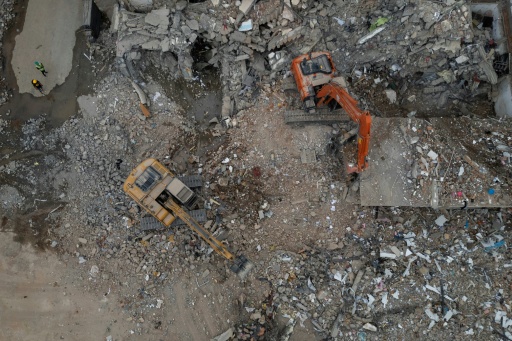
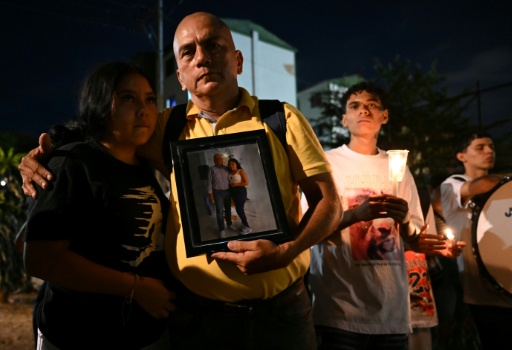
The noise of backhoes, cranes and bulldozers echoed across Colombia's quake-hit cities on Sunday as workers labored to remove rubble, though the chance of finding survivors was slim a week after the disaster.
Last Monday's 7.4 magnitude earthquake killed nearly 300 people and destroyed thousands of buildings. At least 140 people are still missing, authorities said.
In the hard-hit western city of Pereira, Andres Cano, a 30-year-old nursing student, acknowledged that the hope of locating survivors "is much lower now."
"You feel exhausted, it's mostly mental fatigue," he said while standing next to a group of friends wearing orange vests and helmets.
The earthquake represents the first major test for the government of right-wing President Abelardo de la Espriella, who was sworn in just three days before the disaster struck.
On Saturday, he asked his US ally, President Donald Trump, for a temporary suspension of tariffs to help his country.
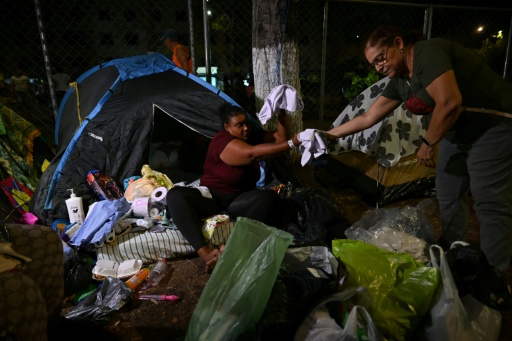
Nearly 27,000 homes were destroyed, and many survivors have nowhere to go. Many slept on mattresses or makeshift beds outside.
Shelters displayed QR codes so that those affected can report missing relatives or damage to their homes.
In the hardest-hit cities, several buildings were marked with a red "X" to warn of the risk of collapse and prohibit pedestrian access.
In Cali, in the southwest, Jorge Leon described the pain of "starting all over again" as he walked beside a yellow truck loaded with his belongings.
"It feels like I'm living in a movie or a dream; I can't quite grasp it," the 41-year-old lawyer told AFP.
Cali's mayor, Alejandro Eder, estimated that the reconstruction of Colombia's third-largest city will cost at least $3.2 billion.
Colombia has received millions of dollars in aid from countries like the United States and organizations like the World Bank, but rebuilding will take time.
On the wall of a five-story building that collapsed after the earthquake, a rescuer marked a red "V" crossed by a horizontal line, indicating the end of the search for possible survivors.
But volunteer rescuers refused to give up, even though the chances of survival drops drastically after 72 hours.
"Although we've been told that several days have passed, we continue to search for lives because we want to keep hope alive," said Juan Carlos Tabares, a 58-year-old professor who leads a rescue team of volunteers called "Valentia," which means "courage."
Latest stories
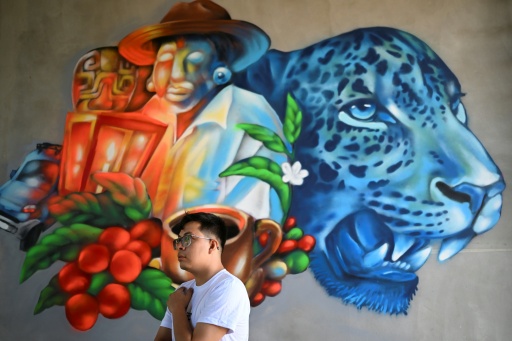
Culture Au Salvador, des graffeurs reprennent les murs aux gangs
Jaguars, visages, fleurs ou oiseaux : sur les murs où les gangs du Salvador marquaient autrefois leur territoire, des artistes réalisent de grandes fresques à l'occasion d'un festival itinérant...

La Une Trump annonce "réduire considérablement" des exercices militaires avec la Corée du Sud
Donald Trump a annoncé dimanche "réduire considérablement" la participation des Etats-Unis à des exercices militaires imminents avec la Corée du Sud en raison notamment de sa "très bonne relation avec...
La Une Séisme: la Colombie poursuit les recherches sans trop d'espoir
La Colombie a poursuivi dimanche le déblaiement des décombres, près d'une semaine après le puissant séisme qui a dévasté une partie du pays, malgré les...