



A strengthening El Nino that could shatter all-time records is "adding fuel to a planet already on fire" and pushing the world into "uncharted territory," UN Secretary-General Antonio Guterres warned Friday.
"Two months ago, I warned that El Nino was arriving on our doorstep," Guterres told the world body. "Now it is inside the house -- and turning up the heat."
The El Nino weather pattern warms surface temperatures in the central and eastern equatorial Pacific Ocean, triggering worldwide changes in winds, atmospheric pressure and rainfall patterns, and pushing warmer overall global temperatures.
Human-caused climate change can amplify El Nino's impacts because a warmer ocean and atmosphere increase the availability of energy and moisture for extreme weather events, such as heat waves and heavy rainfall.
"We have already endured a summer of extremes -- record-shattering heat domes; apocalyptic wildfires raging in Spain, France and far beyond; thousands of lives lost in the scorching conditions," said Guterres. "But according to the latest science, this is only a warm-up act."
Pacific waters driving the El Nino have never been this warm this early, he said, with a new forecast by the World Meteorological Organization (WMO) finding sea-surface temperatures now averaging 3C (5.4F) above normal.
The WMO's outlook shows that through October, nearly every land mass on Earth is expected to be hotter than normal.
"Taken together, that risks shattering every seasonal record -- and driving even more severe effects worldwide," said Guterres. "We are in uncharted territory."
The risks go beyond heat alone, he added. India's monsoon is running well below average, while hotter and drier conditions are forecast from Central America and the Caribbean to parts of South America, South Asia, the Southwest Pacific, Europe and Africa.
"The verdict is clear: the climate crisis is in overdrive," said Guterres, outlining action required on four fronts.
First, protect people from heat with city- and country-wide heat plans and early warning systems, including expanded access to sustainable cooling.
Second, make work safer, with governments setting heat standards so vulnerable workers — in the garment industry, for example — aren't risking their lives.
Third, build protection from extreme heat into the design of cities, homes, schools and hospitals, and factor it into plans and budgets.
Fourth and most fundamentally, "the world must stop fueling the crisis," said Guterres, and roll back fossil fuels that are driving planet-wide heating rather than treating each disaster as an isolated tragedy.
Latest stories
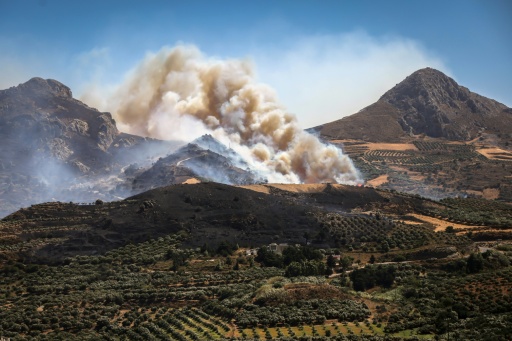
La Une La Grèce frappée par de nouveaux incendies
De nouveaux incendies se sont déclarés vendredi dans une Grèce en état d'alerte en raison de vents violents, poussant les autorités à ordonner l'évacuation d'une...
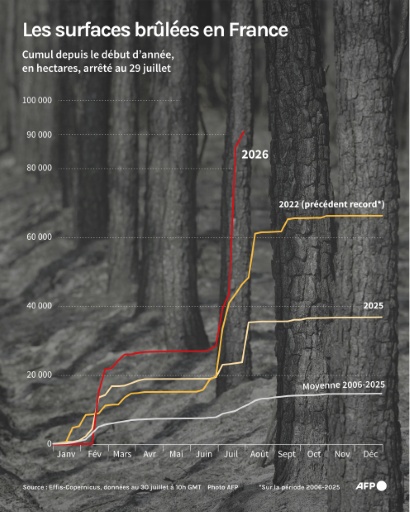
La Une Le mégafeu contenu en Gironde mais les flammes repartent de plus belle dans le Var
Après neuf jours de lutte acharnée et 42.000 hectares partis en fumée, l'amélioration se confirme vendredi en Gironde où le mégafeu est contenu alors qu'à 700 km de là, la situation est plus difficile dans le Var où l'incendie du Gros Bessillon...
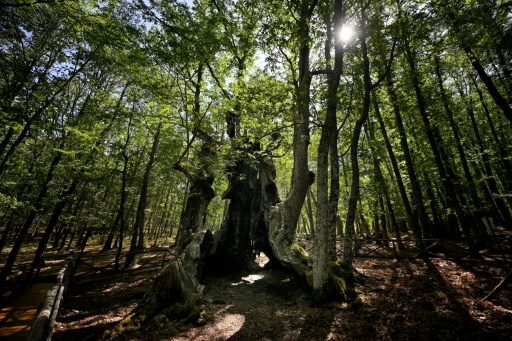
Monde Espagne: des habitants ont sauvé des flammes un arbre remarquable de 500 ans
Au moment où les flammes se rapprochaient, les habitants de la ville espagnole d'El Tiemblo, armés de pelles et de râteaux, ont lutté avec acharnement pour sauver un arbre remarquable, un châtaignier centenaire nommé "El Abuelo" ("Le...