


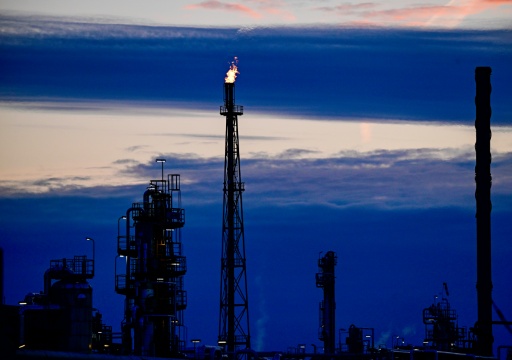
The EU pushed Wednesday to overcome an objection from Greece and agree a new round of sanctions on Russia, before a deadline that could weaken efforts to limit Moscow's oil revenues.
Discussions on the fresh package of economic punishment against Moscow over the war on Ukraine have gone into extra time as a string of countries have sought to water down elements.
After failing to reach an agreement last Wednesday, the European Union's 27 member states struck a temporary compromise to maintain a price cap on Russian oil at $44 for a week to prevent it leaping up.
The move was designed to give breathing space for the bloc to hammer out a final deal and avoid weakening one of the EU's key measures for restricting Moscow's income from global crude exports.
With time now ticking to the new deadline on Thursday, EU diplomats said that the main obstacle to a deal appeared an insistence by Greece to soften earlier restrictions on transporting Russian liquefied natural gas.
Athens is pushing for the bloc to allow one of its firms to keep on transporting LNG to non-EU clients from Russia's Arctic Yamal facility.
The new round of sanctions -- the 21st the EU wants to impose on Russia since its 2022 invasion of Ukraine -- has faced a rocky ride since it was proposed last month.
As part of the package, Brussels wants to fix the oil price cap at its current level for several more months, to stop it going up automatically due to the surge in prices due to the Middle East war.
Various other parts of the sanctions package have drawn opposition from different countries.
Bulgaria said it managed to block putting Russian Orthodox Patriarch Kirill on an asset freeze and visa ban blacklist.
Diplomats said Germany objected to a ban on imports of Alaskan Pollock -- a fish widely used in children's meals -- from Russia.
Plans for to impose a sweeping visa ban on any Russians who took part in the war in Ukraine also appear to have been toned down.
Latest stories

La Une Sur le départ, la ministre Monique Barbut va rester, "à la demande" de Macron
Après avoir annoncé sa démission pour protester contre l'adoption de la loi d'urgence agricole, la ministre de la Transition écologique, Monique Barbut, a finalement décidé de "poursuivre sa mission à la demande" du président Macron "qui...

Planète Dans les massifs forestiers, l'ONF mesure la sécheresse des végétaux pour prévenir les incendies
"Si on passe sous la barre des 30% d'humidité, la sensibilité devient très forte" : chaque semaine, des agents de l'Office national des forêts (ONF) mesurent la teneur en eau des végétaux afin de mieux prévoir le risque d'incendie...
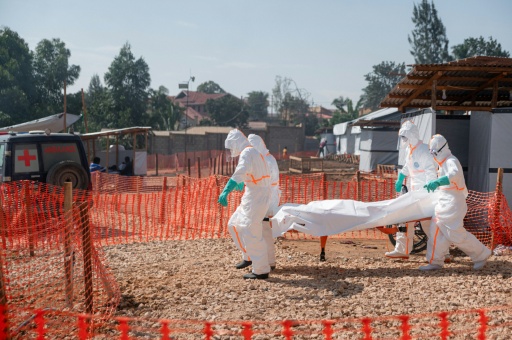
La Une Ebola en RDC et en Ouganda: le bilan dépasse désormais les 1.000 morts, selon l'OMS
L'épidémie de maladie Ebola a fait 1.001 morts en République démocratique du Congo (RDC) et en Ouganda, selon un dernier bilan communiqué mercredi par l'Organisation mondiale de la santé (OMS), qui s'appuie...