


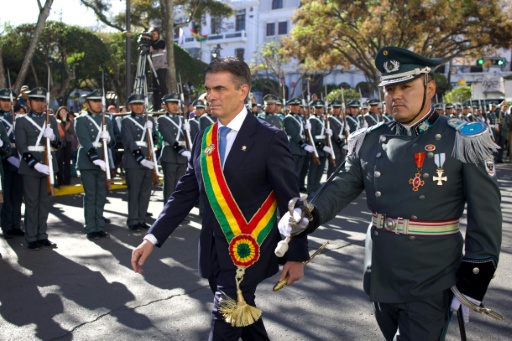
Bolivian President Rodrigo Paz on Thursday defended his conservative administration, which in its short lifetime has been the target of enormous protests against the worst economic crisis in decades.
Paz said the government was leading Bolivia out of the economic doldrums during his first address to the nation since taking office nine months ago.
The US-backed leader's inauguration in November ended two decades of socialist rule in the Andean nation.
"They left us a devastated, dying homeland," he said, blaming his leftist predecessors for bringing Bolivia to a position where it "could barely breathe."
Paz, who was speaking from the city of Sucre on the country's independence day, defended his "unpopular" but "necessary" economic policies.
His decision to scrap decades-old fuel subsidies that had drained the Treasury's international dollar reserves caused prices to double, triggering widespread anger.
Deteriorating living conditions sparked protests, which escalated into an enormous movement that blocked roads nationwide and caused severe food, medical and fuel shortages in several cities.
Paz succeeded in quelling the months-long demonstrations, which began calling for his resignation, by declaring a state of emergency in June.
The measure allowed him to deploy the army and outlaw public gatherings.
His government accuses socialist former leader Evo Morales of fomenting the protests, with prosecutors issuing a warrant for his arrest last week.
"We have just overcome 53 days of resistance from the past that refuses to accept that a new Bolivia is being born," Paz said, highlighting the diplomatic and economic opening up of the country.
He also noted government efforts to fight corruption and drug trafficking, including the expulsion of "17 leaders of criminal organizations who were living in Bolivia with protection and complete impunity."
Latest stories
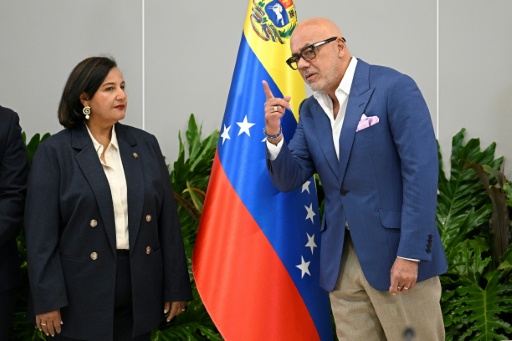
Jornal Governo e oposição iniciam diálogo com vistas a uma transição política na Venezuela
O governo interino da Venezuela e delegados da oposição iniciaram nesta quinta-feira (6), em Caracas, um diálogo mediado pelos Estados Unidos que pode levar a uma transição...
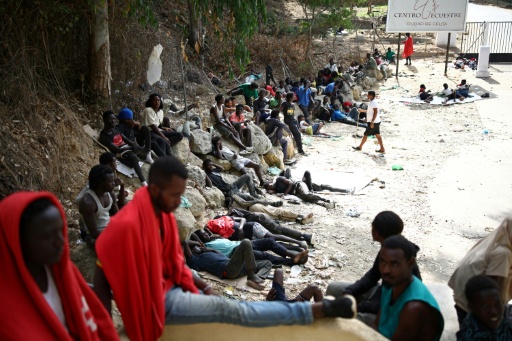
Jornal Crianças migrantes correm risco de sofrer abusos nas ruas de Ceuta, alertam ONGs
As centenas de menores desacompanhados que continuam dormindo ao relento nas ruas de Ceuta correm o risco de sofrer abusos e exploração após a crise migratória desencadeada há uma semana nesse enclave espanhol no norte da África...
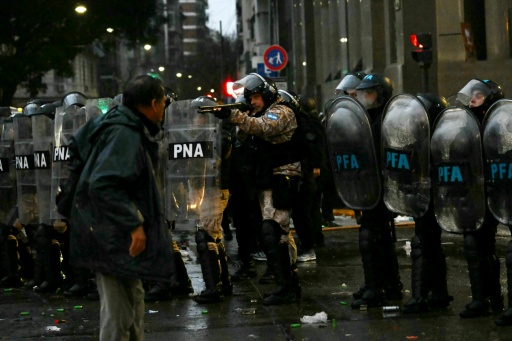
Jornal Manifestantes entram em confronto com polícia na Argentina por projeto de lei em favor da propriedade privada
Milhares de pessoas marcharam nesta quinta-feira (6) em Buenos Aires contra um projeto de lei em defesa da propriedade privada apresentado pelo presidente Javier Milei, em um protesto que...