


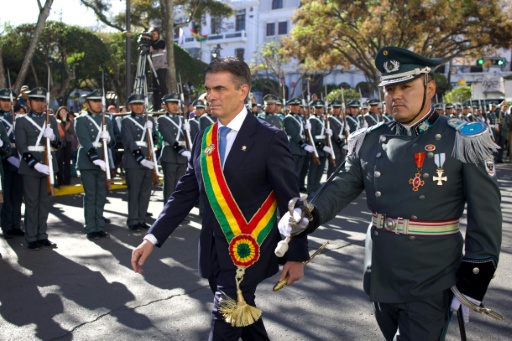
Bolivian President Rodrigo Paz on Thursday defended his conservative administration, which in its short lifetime has been the target of enormous protests against the worst economic crisis in decades.
Paz said the government was leading Bolivia out of the economic doldrums during his first address to the nation since taking office nine months ago.
The US-backed leader's inauguration in November ended two decades of socialist rule in the Andean nation.
"They left us a devastated, dying homeland," he said, blaming his leftist predecessors for bringing Bolivia to a position where it "could barely breathe."
Paz, who was speaking from the city of Sucre on the country's independence day, defended his "unpopular" but "necessary" economic policies.
His decision to scrap decades-old fuel subsidies that had drained the Treasury's international dollar reserves caused prices to double, triggering widespread anger.
Deteriorating living conditions sparked protests, which escalated into an enormous movement that blocked roads nationwide and caused severe food, medical and fuel shortages in several cities.
Paz succeeded in quelling the months-long demonstrations, which began calling for his resignation, by declaring a state of emergency in June.
The measure allowed him to deploy the army and outlaw public gatherings.
His government accuses socialist former leader Evo Morales of fomenting the protests, with prosecutors issuing a warrant for his arrest last week.
"We have just overcome 53 days of resistance from the past that refuses to accept that a new Bolivia is being born," Paz said, highlighting the diplomatic and economic opening up of the country.
He also noted government efforts to fight corruption and drug trafficking, including the expulsion of "17 leaders of criminal organizations who were living in Bolivia with protection and complete impunity."
Latest stories

La Une قتيلان بانفجار عبوة داخل حافلة ركاب قرب دمشق (وزارة الصحة)
قُتل شخصان وأصيب 13 آخرون جراء انفجار عبوة ناسفة بحافلة نقل ركاب مساء الخميس في مدينة جرمانا قرب دمشق، وفق ما نقلت وكالة الانباء...
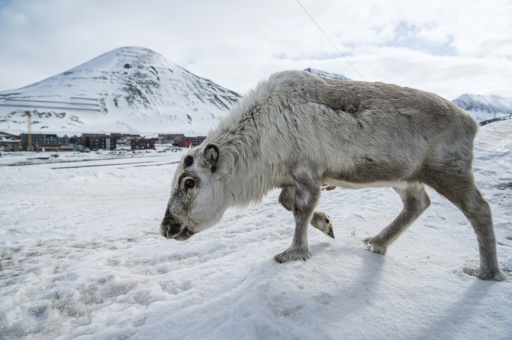
من الدنيا حالات نفوق غامضة لحيوانات الرنّة في سفالبارد
أعلنت السلطات النروجية الخميس تسجيل حالات نفوق "غير اعتيادية للغاية" بين حيوانات الرنة لأسباب ما زالت مجهولة، في جزر سفالبارد...

رياضة ريال مدريد يتعاقد مع الجناح العاجي يان ديوماندي
تعاقد ريال مدريد وصيف بطل الدوري الإسباني لكرة القدم، الخميس مع الجناح العاجي يان ديوماندي من لايبزيغ الألماني بصفقة قياسية للنادي بلغت 161 مليون دولار بالإضافة إلى المكافآت،...