


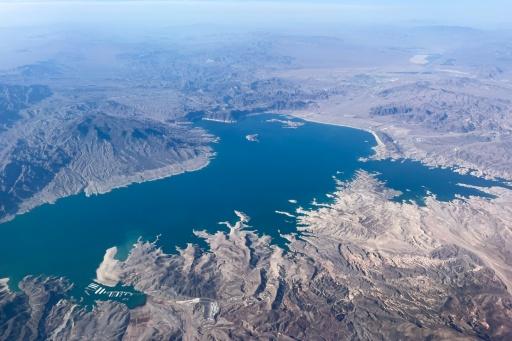
Nevada on Monday launched legal action against the administration of US President Donald Trump over a plan that would cut the state's access to the vital Colorado River.
The river, which originates in the Rocky Mountains, makes farming possible in large tracts of the arid American Southwest, and provides drinking water to the 40 million people who live there, including in cities like Phoenix.
But decades of over-use, coupled with years of drought, have put crippling strain on a watercourse whose management has always been based on an over-allocation of available resources.
Last week the federal government announced it was imposing cuts on the amount of water the so-called "lower-basin states" -- Arizona, California and Nevada -- can use, while leaving the allowances for the "upper basin states" of Colorado, New Mexico, Utah and Wyoming unchanged.
The plan envisages slashing the three states' collective water consumption by up to 3.7 billion cubic meters per year until 2036 -- the equivalent of 1.5 million Olympic-sized swimming pools.
Now Nevada has launched legal action seeking to block the change, which state officials say could reduce their allocation by two-thirds, potentially devastating the desert city of Las Vegas, which depends on the river for 90 percent of its water.
"This isn't about political posturing," Nevada Governor Joe Lombardo, a Republican, said Monday.
"This is a matter of survival for a community that represents about two-thirds of our state's citizens and the lion's share of its economy."
Federal officials say their plan to cut usage is necessary because the seven states that lie on the river have been unable to agree amongst themselves.
They say without an agreement, dams on the river that are used to generate hydropower could cease to function.
Experts say Nevada's lawsuit, lodged in a US district court, is unlikely to be the only legal action, with Arizona -- which faces the deepest cuts -- expected to launch its own challenge.
The federal government directive and the resulting legal action come after Lake Powell and Lake Mead, America's two largest reservoirs, and which are fed by the Colorado River, fell to record low levels.
Scientists say human behavior, including the unchecked burning of fossil fuels, is warming the global climate and interrupting weather patterns.
This leads to more sustained droughts in some parts of the planet, and more ferocious storms in others.
Latest stories
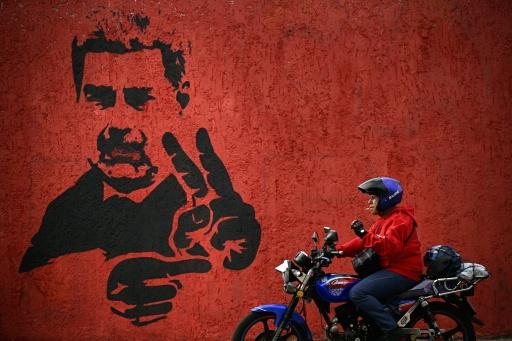
Jornal Inflação, apagões e menos medo: a vida na Venezuela sem Maduro
Quase oito meses após a queda de Nicolás Maduro, muitos venezuelanos têm sentimentos mistos. Celebram sua captura e um sopro de liberdade, mas a crise que pulverizou salários e...
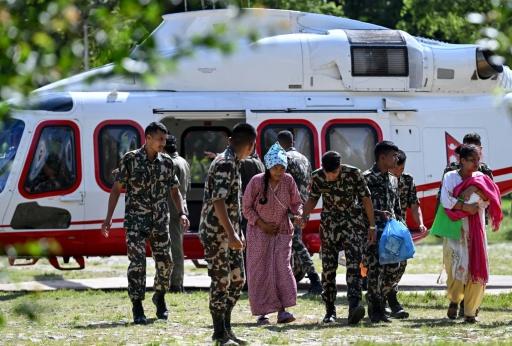
Jornal Nepal enfrenta ameaça de novas inundações após avalanche que matou mais de 550 pessoas
A corrida contra o tempo das equipes de emergência para encontrar sobreviventes prossegue nesta sexta-feira (28), dois dias após a avalanche devastadora que deixou mais de 550 mortos na fronteira entre Nepal e China...

Jornal Irã afirma estar aberto à diplomacia quando guerra com EUA completa seis meses
O Irã deixou a porta aberta à diplomacia nesta sexta-feira (28), exatamente seis meses após o início da guerra com os Estados Unidos, mas apenas se...