


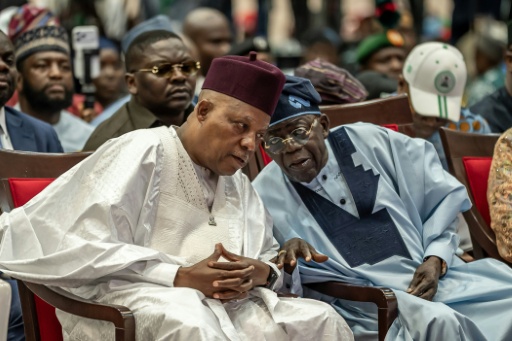
Campaigning kicks off in Nigeria Wednesday, five months ahead of elections set to be dominated by crushing inflation and President Bola Tinubu's economic reforms.
Africa's most populous country is straining from years of economic turmoil and violence from armed groups -- though a divided opposition works in favour of Tinubu, seeking a second term.
"The economy is the biggest issue. That's the one thing that cuts across different parts of the country and it continues to affect security and development concerns," said Afolabi Adekaiyaoja, author of Nigeria politics newsletter The Bellwether.
Elected in 2023, Tinubu has used his first term to push through ambitious economic reforms, including ending a costly fuel subsidy that for years had indirectly suppressed prices throughout the economy.
Though praised by economists and investors, the reforms have sparked a cost-of-living crisis that saw the value of the naira crumble and inflation spike up to 34 percent. Headline inflation cooled to 15.4 percent in July.
A slide into poverty, pre-dating Tinubu, has continued for millions, with more than 60 percent of Nigerians now living below the poverty line, according to the World Bank, up from 40 percent in 2019.
The country is also mired in multiple security crises -- from jihadists, non-ideological "bandit" gangs, farmers and herders fighting over land, and a simmering separatist conflict.
Violence has been increasing since 2024, said Ladd Serwat, senior Africa analyst at conflict monitor ACLED, "driven by the spread and intensification of armed banditry across northern and central Nigeria" and increased conflict in Borno state, the heart of the jihadist insurgency.
Meanwhile, "the opposition has been too mired in internal and legal issues to really articulate a difference" between their policies and Tinubu's, said Adekaiyaoja.
"The most important issues for me are the economy and cost of living," said civil servant Afolayan Abdullahi, 42, who said he intended to vote for Tinubu.
Tinubu is considered one of Nigeria's shrewdest politicians and his All Progressives Congress controls the national assembly and 31 of 36 powerful governorships.
The January 16 poll will in part be a rematch of 2023, with Tinubu again running against former southeastern governor Peter Obi and ex-vice president Atiku Abubakar.
Tinubu won that poll with 36.6 percent of the vote. Abubakar took 29 percent and Obi notched 25 percent.
Rabiu Kwankwaso, who garnered about six percent last time, has teamed up with Obi to run as his vice president.
"Nigeria is not safe -- terrorists, kidnappers, bandits everywhere," said Becky Alegbe, a street vendor in Abuja.
The 28-year-old is registered to vote in her home village in Edo state, but "for me to take the risk to travel... I will not take that," she said, also citing quintupled transportation costs and concerns about vote buying that have tainted prior elections.
Turnout was just 27 percent in 2023.
Latest stories

Jornal Palmeiras tem prova de fogo em Assunção contra o Cerro Porteño na Libertadores
Com a torcida insatisfeita, o Palmeiras enfrenta um desafio difícil nesta quarta-feira (19), em Assunção, contra o Cerro Porteño, um adversário que tem imposto grandes dificuldades à equipe, na luta por uma vaga nas...
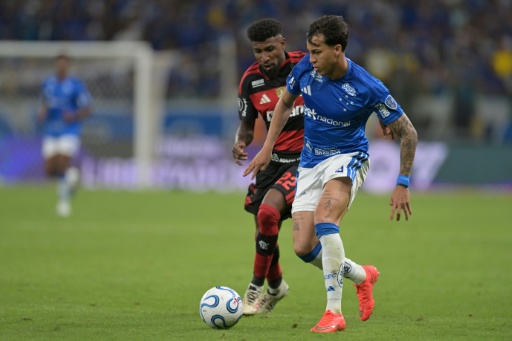
Jornal Com tudo em aberto, Flamengo recebe Cruzeiro no jogo de volta das oitavas da Libertadores
O Flamengo, atual campeão da Libertadores, enfrenta o Cruzeiro nesta quarta-feira (19) em busca de uma vaga nas quartas de final do torneio, encarando um adversário que representa...
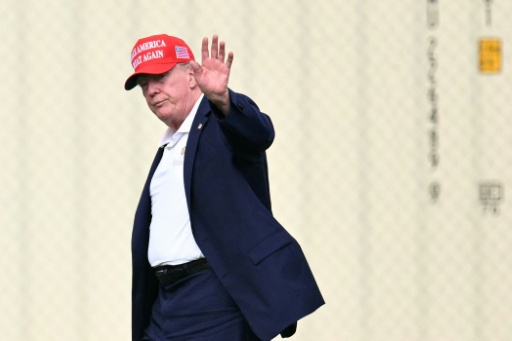
Jornal Libéria vai receber até 1,2 mil deportados dos EUA
A Libéria anunciou nesta terça-feira (18) que vai receber até 1.200 estrangeiros deportados dos Estados Unidos, como parte de um plano anti-imigração promovido pelo presidente Donald Trump, segundo o qual os...