

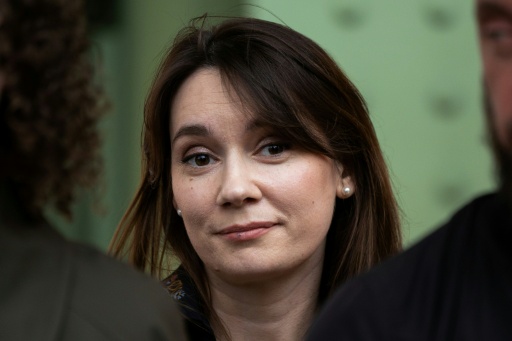
A Russian TV commentator ordered to leave France after accusations of parroting pro-Kremlin propaganda on Friday slammed what she called "censorship" and "political pressure."
Disinformation experts have raised the alarm about the influence of Xenia Fedorova, a former journalist for Russia's state-run channel RT, as France heads for a presidential election next year.
"We are witnessing an entirely new form of political pressure with a single objective: the censorship of opinions that do not conform to the official narrative," Fedorova said on X, in her first public comments since being ordered to leave France.
"Those who celebrate this decision lack foresight, because today it is me, and tomorrow it will be anyone who dares to speak outside the bounds of approved thinking."
France this week ordered Fedorova to leave the country, with Interior Minister Laurent Nunez accusing her of relaying Russian propaganda in an attempt to attack "the fundamental interests of the nation".
Fedorova, 45, is the former head of the French arm of RT, which was banned in France after Russia invaded Ukraine in 2022.
She is now a commentator for outlets within conservative French billionaire Vincent Bollore's group of broadcasting outlets.
In her social media post, Fedorova said the French government had ordered her expulsion under an "emergency procedure".
Since being notified of the order, Fedorova has been placed under house arrest, according to a source close to the case.
France also said it was freezing Fedorova's assets for six months.
The decree published on Friday immediately freezes her assets, citing a legal mechanism aimed at preventing the commission of "new acts of interference", the French finance ministry said.
Fedorova said her lawyers would challenge that decision as well as the order to leave France.
Her lawyer Emmanuel Piwnica told AFP that she was the victim of a "relentless campaign".
Fedorova's employers said this week they were astonished to learn of the expulsion order, which they said amounted to "a particularly serious infringement of freedom of expression".