


United Nations insider Rebeca Grynspan was leading in the first round of the process to pick the next UN chief that began Thursday, diplomatic sources told AFP.
Grynspan, the former vice-president of Costa Rica and head of the UN Conference on Trade and Development, was followed by former Guyanese foreign minister Carolyn Rodrigues-Birkett, according to two diplomatic sources briefed on the results.
Argentina's Rafael Grossi, the head of the International Atomic Energy Agency (IAEA), was in third.
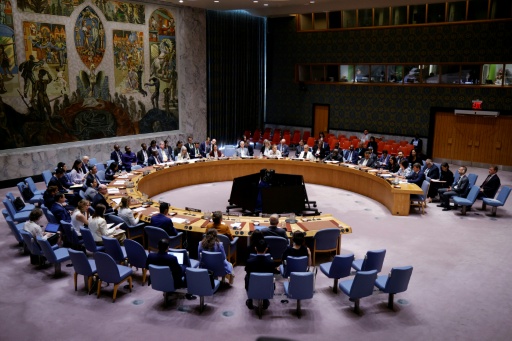
The UN Security Council met Thursday for the first so-called "straw poll" to gauge support for the seven candidates for the secretary-general role.
Some have criticized the polling as opaque. It began in the early 1980s in an attempt to break a deadlock between two candidates whose bids were shut down by vetoes.
Four women and three men are so far in the running to succeed Antonio Guterres of Portugal, who will complete his second five-year term on December 31, 2026. Nominations are still open, raising the prospect of late entrants.
The other nominees are Michelle Bachelet of Chile, Maria Fernanda Espinosa of Ecuador, Olara Otunnu of Uganda and Macky Sall of Senegal.
Although IAEA chief Grossi has arguably the best name recognition, observers say there is no clear favorite in the race that could last several months.
The Security Council president, Zenon Ngay Mukongo of the Democratic Republic of Congo, confirmed a second round of the straw poll would be announced in the coming days.
Diplomats are reluctant to predict the outcome because the council's five permanent members -- the United States, Russia, China, France, and the United Kingdom -- have yet to indicate their preferences.
Even if a candidate bags the required nine votes from the 15 available in the council, they must also avoid a veto by the five major powers, which are deeply divided.
Once a candidate clears those bars, their name will go to the General Assembly of all UN member states for confirmation.
In the straw poll, each council member was required anonymously assign each candidate one of three labels: "encourage," "discourage," or "no opinion."
That would give those with no support the opportunity to withdraw, though they are not obliged to.
Initially, all ballots are the same color but eventually, after an unspecified number of votes, the ballots of the five permanent members will be a different color from those of the elected members. That will make it possible to identify potential vetoes but not which country blackballed any given candidate.
"The straw polls may show that some candidates are just not viable, and allow them to bow out in a dignified manner," Richard Gowan of the International Crisis Group told AFP.
"I would be surprised if any one candidate emerges with a decisive numerical advantage."
Traditionally, the UN's top job rotates between different regions. On that basis it is Latin America's turn, and there are many candidates from the region.
Panama's Ambassador to the UN Eloy Alfaro de Alba said it was a priority that the winner be a woman from Latin America.
Many other states are also pushing for a woman to lead the UN for the first time.
Latest stories
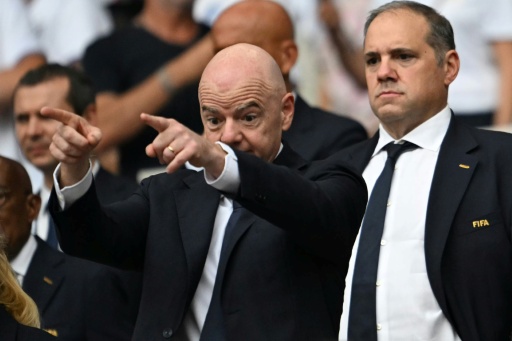
Jornal Concacaf rejeita plano da Fifa de abertura a investidores privados
As 41 federações filiadas à Concacaf rejeitaram por unanimidade nesta quinta-feira (30) o plano da Fifa de vender uma participação nas operações...
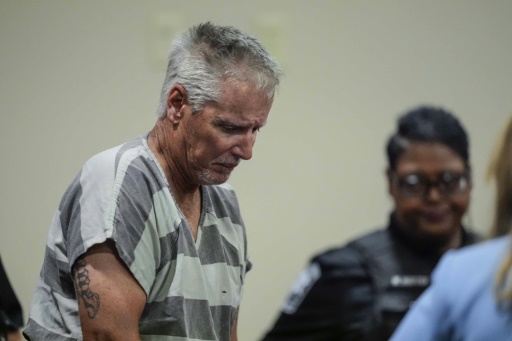
Jornal Pai de adolescente que matou quatro pessoas é condenado à prisão nos EUA
O pai de um adolescente que matou quatro pessoas a tiros em uma escola nos Estados Unidos foi condenado nesta quinta-feira (30) a 15 anos...
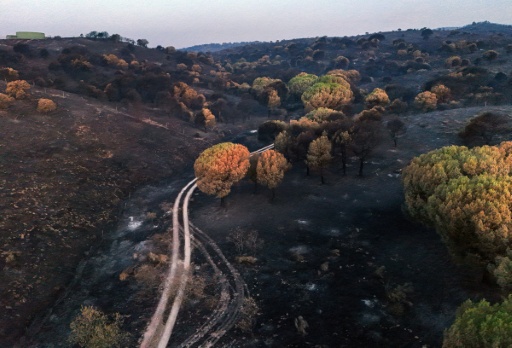
Jornal Incêndios em França e Espanha diminuem mas novos focos surgem na Europa
França e Espanha vislumbraram nesta quinta-feira (30) uma trégua diante de alguns dos piores incêndios florestais da história recente, enquanto chamas se espalhavam em outros países da...