


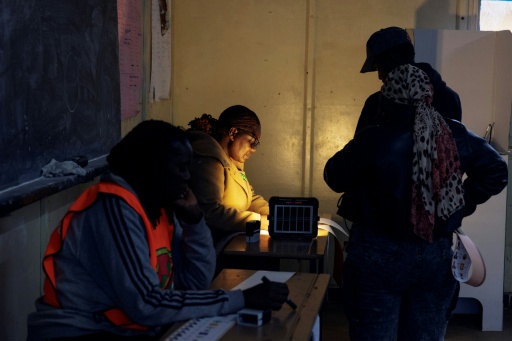
International observers of Zambia's elections said Saturday the poll was marred by claims of intimidation, abductions and an hours-long pause in the vote count.
Observer missions called for parties to tone down inflammatory statements as the votes cast on Thursday were tallied, with some extending their deployment because of the tensions.
President Hakainde Hichilema, 64, is seeking a second term. His main challenger is a 55-year-old former minister in the previous Patriotic Front (PF) government, Brian Mundubile.
The electoral commission suspended vote counting for around six hours on Friday following reports of violence against polling staff and the alleged theft of ballot papers.
The count resumed after the commission announced the "security threat" had been contained. It started releasing district results later Friday, pledging the final outcome would be made public by Monday.
The observer mission of the regional SADC grouping said the suspension had caused "uncertainty and anxiety".
"The mission additionally recorded, but could not verify, reports of intimidation, assault, abduction and damage to property in five provinces, some involving reported physical injury and, in one submission, fatalities," said its head, Samuel Tembenu, a former Malawian justice minister.
He gave no details on the alleged fatality, but reports said it may have involved a polling agent and there had been several arrests.
The suspension risked "the credibility of the process and the confidence of voters", said Botswana's former president Mokgweetsi Masisi.
His International Conference on the Great Lakes Region (ICGLR) observer mission had urged the main parties "to de-escalate, to refrain from announcement of any results, to stop any inflammatory language (and) reassure us that they will continue respecting the rule of law", he said.
The elections "took place against a backdrop of constrained democratic space", said Michael McNamara, chief observer of the European Union mission.
"Key incumbency advantages blurred the lines between state and political campaigning, creating an uneven playing field," he told reporters.
Around 8.7 million voters were registered to vote in the copper-rich nation of 22 million people.
They also elected 226 seats in parliament, which is being expanded from the previous 156.
Latest stories
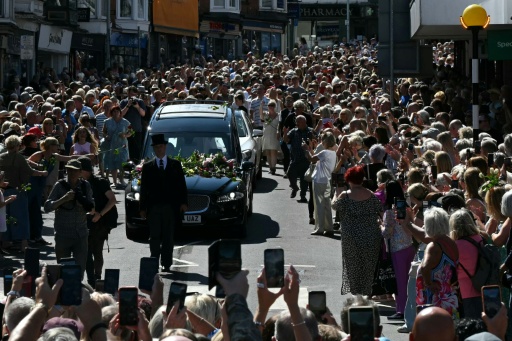
Arts and Entertainment Fans line Welsh streets as Bonnie Tyler body's returns for funeral
Bonnie Tyler fans lined the streets of a south Wales suburb Saturday to pay their respects as the late Welsh singer's coffin returned to her...
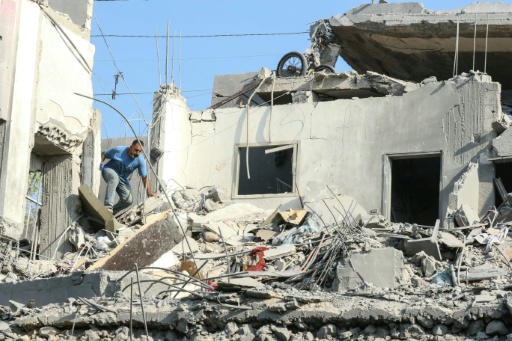
Middle East Lebanon reports 11 dead in strikes that Israel says targeted Hezbollah
Lebanon said Israeli strikes on the south killed 11 people including three children on Saturday, the deadliest raids since deals in June eased...
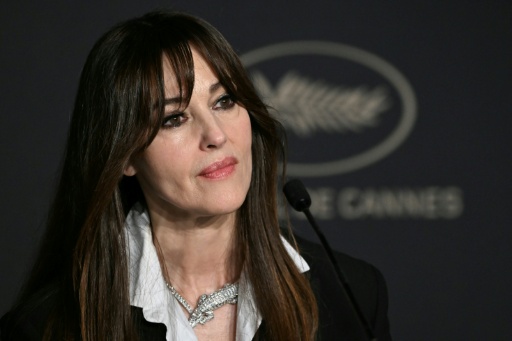
Arts and Entertainment Monica Bellucci and Florin Serban win at Locarno Film Festival
"You Don’t Belong Here" by Romanian director Florin Serban won the Golden Leopard on Saturday at the 79th Locarno Film Festival in Switzerland, while Italian star Monica Bellucci won...