


German travel giant TUI said Wednesday that bookings were returning to normal levels despite the ongoing Mideast war, as it presented its latest financial results.
Tourism in Europe is experiencing a turbulent summer marked by soaring jet fuel prices because of the US and Israeli war against Iran, as well as heatwaves and wildfires in Spain, France, Portugal and Greece.
Though booked revenue for the summer was down six percent from the same season last year, TUI -- the world's largest travel group -- said bookings over the past four weeks had risen seven percent.
But TUI shares were down than three percent in early Frankfurt trading, after it reported net profit of 124.2 million euros ($143.1 million) in the latest quarter, down 44.7 percent from the period last year.
The company noted renewed interest in Eastern Mediterranean destinations as holidaymakers return to the region after months of geopolitical uncertainty.
"Business is coming back, it's normalising," chief executive Sebastian Ebel said on an earnings call. "We have seen strong weeks."
The Mideast war has hit airlines as well as cruise operators with higher fuel prices, leading many clients to change their travel plans.
Hotel occupancy was down three percent in the quarter to end-June, TUI said, an improvement from the six percent fall seen in the previous six months.
TUI had issued a profit warning in April, weeks after the Mideast war forced it to repatriate 10,000 travellers, including 5,000 people stuck on two cruise ships in the Gulf.
Asked on the call if scorching European weather and forest fires were impacting bookings, Ebel said TUI had seen nothing so far, since the weather in many of its other destinations was cooler than in heatwave-stricken Germany.
There had also been fewer wildfires than usual in TUI's non-Mediterranean destinations, he added.
"Hopefully that will stay as it is," Ebel said, adding that hotter summers could mean TUI sees more bookings in the autumn and spring.
"I would assume that also in this year and the coming years that the shoulder seasons get stronger," he said.
Latest stories
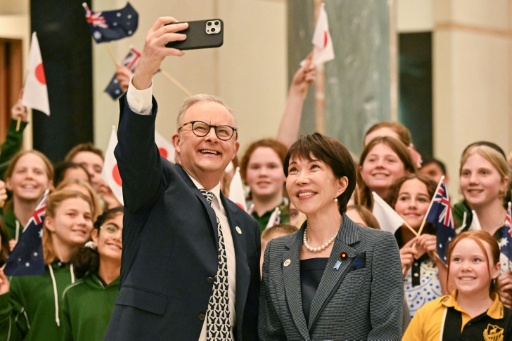
Society Japan brushes off Australian PM's melon drama
Tokyo on Wednesday played down comments by Australian Prime Minister Anthony Albanese about melons gifted to him by his Japanese counterpart that have triggered a row Down...
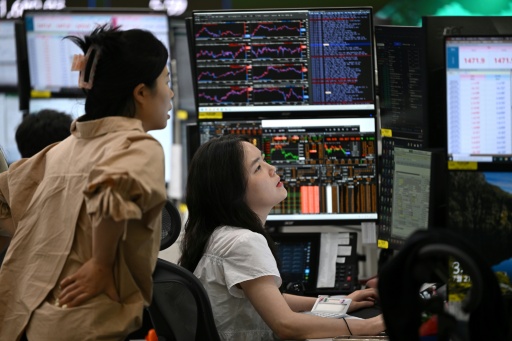
Asia Business Oil prices rise, stocks mixed ahead of crucial US inflation data
Oil prices rose again Wednesday and stock markets were mixed, with eyes on the release of key US inflation data that could guide the Federal Reserve...
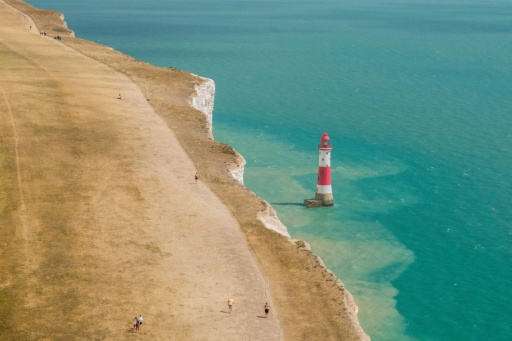
Climate and Environment How Britain's mapmakers track climate change
Once used to defend Britain's shores against Napoleonic France, the Ordnance Survey's detailed maps are now essential for tracking and...