


US lawmakers approved broad new sanctions designed to squeeze Russia over its war in Ukraine on Wednesday, sending the legislation to President Donald Trump after months of delay.
The Republican-led House of Representatives passed the package by 262-159, giving a final congressional green light to the most substantial US legislative effort against Moscow since Trump returned to office.
Trump has said he will sign the measure, which sailed through the Senate in an 86-11 vote last month.
The legislation targets Russia's energy and defense sectors, President Vladimir Putin and other senior officials, as well as Moscow's so-called shadow fleet of tankers used to circumvent Western sanctions.
It also gives Trump authority to impose tariffs of up to 100 percent on major buyers of Russian oil and gas -- including potentially China and India -- in an effort to choke off revenue financing Moscow's war.
But its sweeping tariff powers produced an unusual split among Democrats, who overwhelmingly support Ukraine but have resisted handing Trump greater authority over trade.
Gregory Meeks, the top Democrat on the House Foreign Affairs Committee, called the bill "deeply flawed."
"White House lawyers drafted the current text to maximize President Trump's authority to impose new import taxes on the American people, and to minimize any obligation to actually impose new sanctions on Russia or its enablers," he said.
Meeks said he would support the legislation if the secondary tariff provisions were removed, but Republicans rejected amendments aimed at narrowing them.
Dozens of Democrats nevertheless backed the measure, offsetting opposition from a handful of Republicans who objected to sanctions on free-market or non-interventionist grounds.
Supporters argue that tougher economic pressure is needed, with Russia's full-scale invasion grinding through its fifth year and no peace settlement in sight.
The House vote was celebrated by pro-Ukraine activists, who pointed to Russian attacks continuing, including drone strikes Wednesday on civilian transport in the south that officials in Kyiv said killed five people.
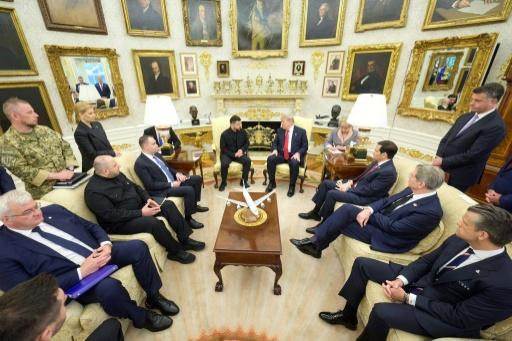
Ukrainian President Volodymyr Zelensky had urged Congress to pass the sanctions package, saying greater pressure was needed to force Moscow toward negotiations.
"So now Putin is losing 30,000 his soldiers per month... it's many losses, but he doesn't want to stop this war," Zelensky said during a July trip to Washington that included a meeting with Trump.
"So now initiative (is) not in the hands of Putin."
The bill would also target companies and foreign actors supporting Russia's military and extend sanctions involving Iran.
Trump has generally preferred to retain control over sanctions and tariffs rather than have Congress dictate policy, helping delay the measure for more than a year.
Its sponsor, Republican senator Lindsey Graham -- who died suddenly in July -- had pushed the legislation since April 2025.
Wednesday's vote came just before House lawmakers were due to leave Washington to campaign ahead of November's midterm elections.
"Once the bill is quickly signed and becomes law, we hope for strong US enforcement to finally end the cash flows to the Kremlin's war chest," said Svitlana Romanko, executive director of Ukrainian energy lobby group Razom We Stand.
"Every day of delay is a day we in Ukraine must bury more people."
Latest stories
Business and Economy Trump threatens EU over 'hostile' Canada association plan
US President Donald Trump threatened on Wednesday to cut trade with the European Union after the bloc proposed to make Canada...
US News US Fed raises rates to tackle 'too high' inflation, irking Trump
The US Federal Reserve on Wednesday raised interest rates for the first time since 2023, defying President Donald Trump's demand for cuts, as central bank chief Kevin Warsh stressed the need to combat inflation that...
Digital World US House backs data center power cost bill amid midterm backlash
The US House of Representatives approved legislation Wednesday aimed at making data centers shoulder more of their own electricity costs, as the power-hungry engines of America's AI boom become a...