


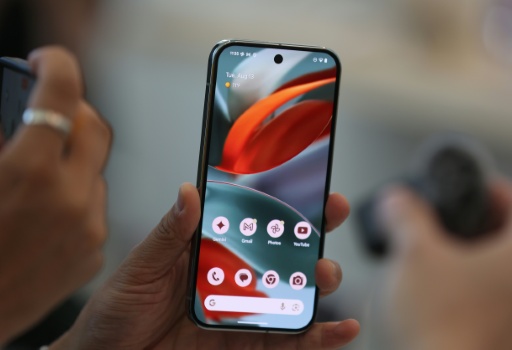
A US citizen is facing charges for allegedly supplying US Customs and Border Protection (CBP) agents with a passcode that erased the contents of his phone during an airport interrogation.
Samuel Tunick, an activist in a campaign to stop construction of a police training center in Georgia, is accused of destroying evidence during the January 24, 2025 incident at Atlanta's airport.
Tunick, who has pleaded not guilty, faces up to five years in prison if convicted of violating a law that makes it a crime to destroy property to prevent its seizure.
A hearing in the unusual case was held in a US District Court in Atlanta last week.
Tunick was returning from a visit to the Dominican Republic when he was taken aside for questioning by CBP and FBI agents and had his belongings searched, according to court documents.
Tunick's requests to have a lawyer present were repeatedly denied and when asked to unlock his Google Pixel phone, he allegedly supplied a passcode that triggered software that wiped the device.
"The screen went blank, flashed several times and the phone appeared to restart," according to CBP officers.
Tunick's attorneys are arguing that his constitutional rights were violated, including his Fourth Amendment protection from warrantless search and seizure.
Even though the interrogation took place at an international airport "officers were not permitted to disregard all constitutional protections afforded to Mr Tunick simply because he was at the border," they said in a court filing.
Tunick was being investigated because of his activities with an environmental group known as Defend the Atlanta Forest which opposes plans to build a police training center, his lawyers said.
There is no evidence that Tunick was involved in criminal activity in connection with the Defend the Atlanta Forest movement, they said, and the demand to unlock his phone was an illegal "fishing expedition."
US courts have held previously -- though not unanimously -- that a warrantless search at the border is legal including a forensic search of electronic devices.
In Tunick's case, "law enforcement seemingly took advantage of the relaxed constitutional protections at the border to try to dig up evidence" against him, his lawyers said.
A trial date has not yet been set.
Latest stories

Topthemen Schwere Waldbrände in Griechenland und in der Türkei - Mehrere Tote
Nach Frankreich und Spanien sind auch Griechenland und die Türkei von schweren Waldbränden getroffen worden. Auf der griechischen Mittelmeerinsel Kreta starben am Mittwoch zwei Feuerwehrleute beim Kampf gegen die Flammen, wie die Feuerwehr mitteilte. Ein weiterer Feuerwehrmann wurde in der Nähe des Hafens Gytheio auf der Halbinsel...
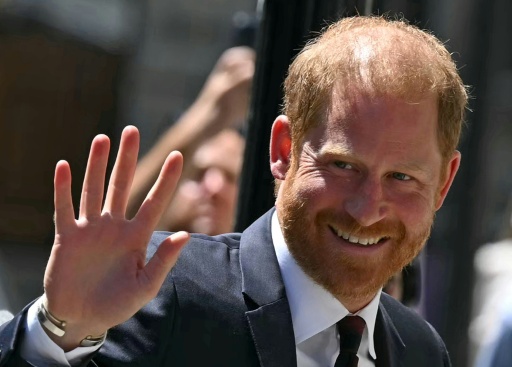
Weltgeschehen Nach gescheiterter Klage: Medien fordern Millionenkosten von Prinz Harry zurück
Nach der gescheiterten Klage des britischen Prinzen Harry und weiterer Promis wie Popstar Elton John gegen mehrere Boulevardzeitungen hat die Mediengruppe Associated Newspapers (ANL) Prozesskosten in Millionenhöhe zurückgefordert. Die Anwälte des Unternehmens forderten in einer Anhörung am Mittwoch, die gescheiterten Kläger sollten einen größeren Anteil der Prozesskosten...
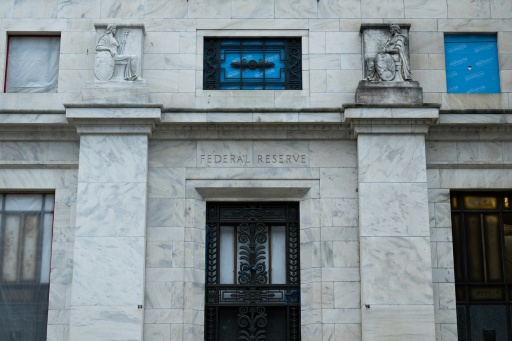
Topthemen US-Notenbank Fed lässt Leitzins unverändert
Die US-Notenbank Federal Reserve (Fed) hat den Leitzins unverändert gelassen. Er liegt laut einer Fed-Erklärung vom Mittwoch weiter in der Spanne zwischen 3,50 und 3,75 Prozent. Der Druck für eine Leitzinserhöhung steigt jedoch: Drei der zwölf Notenbank-Verantwortlichen sprachen...