


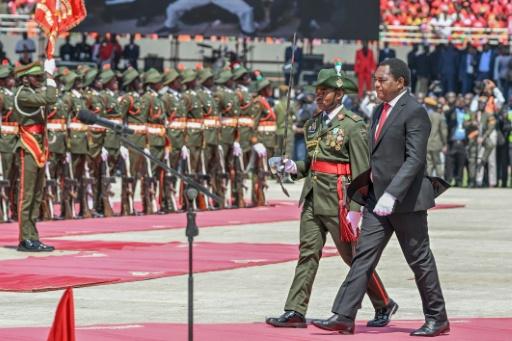
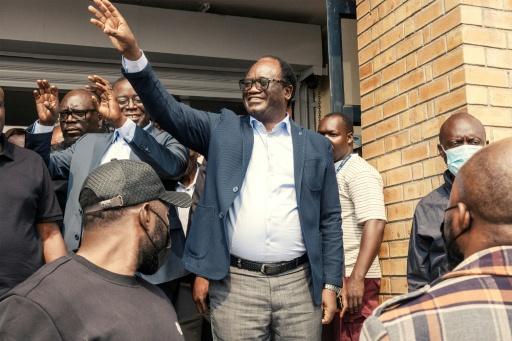
As Zambia's main opposition leader, Hakainde Hichilema was jailed for 18 weeks in 2017 on treason charges -- a political tactic he vowed to never use should he take power.
Five years into his presidency, that promise seems to have been forgotten: his main challenger in last month's election is in Mukobeko Maximum Security Prison facing the same charges.
The allegations against Brian Mundubile, the distant runner-up in the election that returned Hichilema for a second term, have yet to be examined by the courts nearly a month after he was detained.
But his arrest -- and claims of irregularities, violence and an uneven playing field around the vote -- have intensified concerns that Zambia is drifting towards the democratic backsliding seen elsewhere on the continent, analysts said.
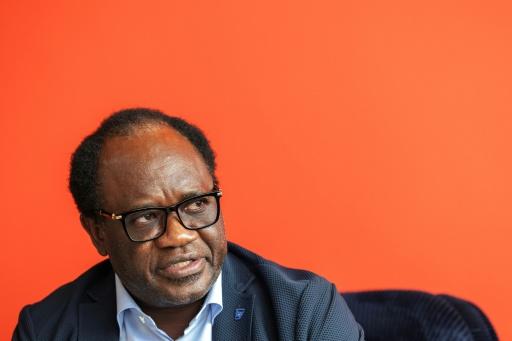
"This is a very, very bad precedent for Zambia," former Botswana president and regional statesman Ian Khama told AFP.
The country is displaying the same "autocratic tendencies" that have emerged elsewhere in the region, where leaders increasingly turn state institutions against political opponents to protect their hold on power, he said.
"It is self serving and national interest is abandoned," he said, adding that leaders are "prepared to kill your own citizens" to cling to power.
For decades, Zambia cultivated a reputation as one of southern Africa's democratic outliers, a country where power changed hands through the ballot box and political tensions rarely tipped into turmoil.
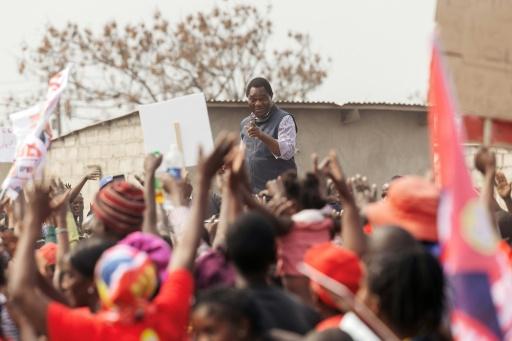
Hichilema's first presidential victory in 2021 reinforced that image, hailed across Africa as proof that opposition parties could defeat incumbents in elections.
Yet Zambia is now being compared with countries where treason, terrorism and national security charges have been brought against prominent opposition figures, from Uganda's Kizza Besigye and Tanzania's Tundu Lissu to South Sudan's Riek Machar and Mozambique's Venancio Mondlane.
Closer to home, Zimbabwe's opposition has been weakened by repeated prosecutions and prolonged detentions of senior figures.
Such legal manoeuvring ties up a political challenger while serving as a warning to others, said Louw Nel, analyst at Oxford Economics Africa.
More amenable opposition figures could choose instead to be accommodated by the regime, he said.
"Hichilema benefited from a divided opposition in the elections and would want that to continue," Nel told AFP.
The inclusion of relatively stable Zambia in a group of democratic backsliders is particularly jarring given that, unlike the others, it has not emerged from civil war or suffered the collapse of state institutions, analysts said.
"Zambia is not mirroring these countries. It is worse," Zambian historian Sishuwa Sishuwa told AFP.
"Formal institutions have, at best, been severely weakened and at worst been outrightly captured," the Stellenbosch University lecturer said.
Khama agreed, saying "they are compromised and captured".
The role of Zambia's security forces has also raised concern.
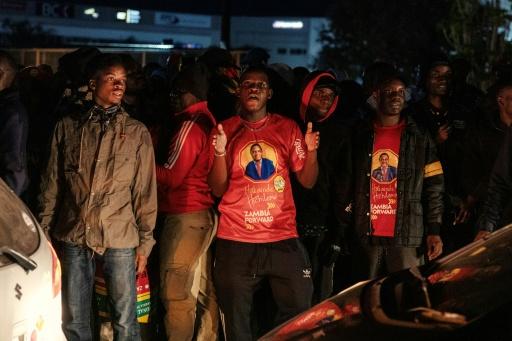
Soldiers were present for the closing of polls on August 13 and at a raid the next day on opposition members, in which a former minister was killed.
They were also stationed outside courts for the deadline for submission of challenges to the result, with no case ultimately filed.
This represented "a serious and significant break" with a history of the military as politically neutral, said Nicole Beardsworth, a politics lecturer at the University of the Witwatersrand in Johannesburg.
The warning signs began well before this year's election.
Hichilema's first term was marked by a series of arrests and prosecutions of opposition figures, Human Rights Watch said in a 2025 report.
Then the government in April abruptly postponed a global digital rights conference, RightsCon, just weeks before it was scheduled, questioning if it aligned with "national values".
Blaming "foreign interference", the organiser later cancelled the event, while reports alluded to Chinese pressure over the participation of Taiwanese civil society groups.
This and the election arrests and intimidation "reflects a broader pattern of shrinking civic space", said UN special rapporteur Gina Romero.
The government last week rejected Romero's characterisation, saying her statement "prejudges matters" before the courts.
The ultimate test of Zambia's democracy may still lie not in the treason claims but in the resilience of institutions meant to contain presidential power, analysts said.
However, "we no longer have the supremacy of the Constitution but that of President Hichilema," Sishuwa said.
Latest stories
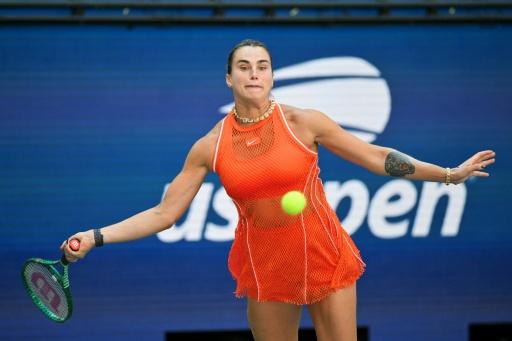
رياضة فلاشينغ ميدوز: بيغولا لحرمان سابالينكا من مواصلة مشوارها نحو الللقب الثالث تواليا
تسعى الأميركية جيسيكا بيغولا إلى حرمان البيلاروسية أرينا سابالينكا من مواصلة مشوارها نحو اللقب الثالث تواليا في بطولة الولايات المتحدة المفتوحة، آخر البطولات الأربع الكبرى في كرة المضرب على ملاعب فلاشينغ...
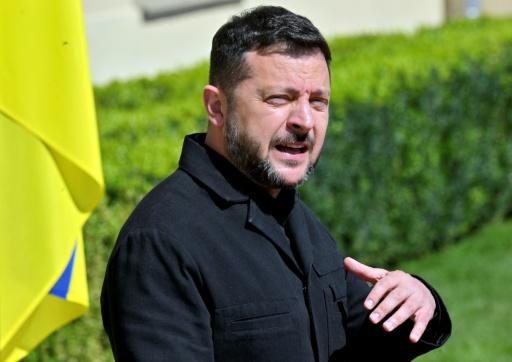
اخبار دولية زيلينسكي وصل إلى كندا للقاء كارني (إعلام)
وصل الرئيس الأوكراني فولوديمير زيلينسكي ليل الأربعاء-الخميس إلى كندا، حيث من المقرر أن يجري محادثات مع رئيس الوزراء مارك كارني لتعزيز الدعم لكييف، وفق...
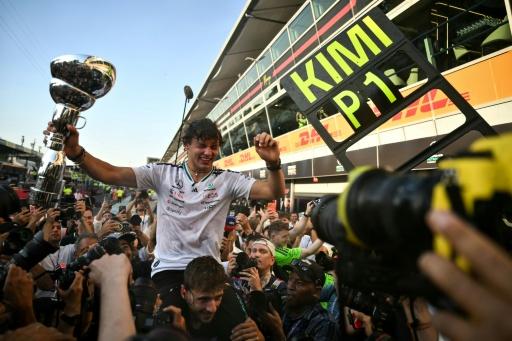
رياضة جائزة إسبانيا الكبرى: أنتونيلي يواجه تحديا جديدا بعد انتصاره المثير في مونتسا
بعد أن بدا وكأنه "يسير على الماء" في مونتسا، يواجه سائق مرسيدس الإيطالي الواعد كيمي أنتونيلي تحديا مختلفا تماماً في جائزة إسبانيا الكبرى هذا الأسبوع في سعيه إلى مواصلة مسيرته القياسية...