


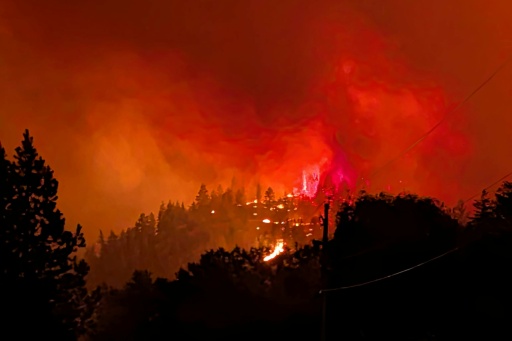
An 80-year-old woman died while fleeing her home to escape a massive wildfire in Canada's British Columbia province, the Royal Canadian Mounted Police (RCMP) said late Sunday.
The Summerland fire, which broke out Friday near Okanagan Lake, has spread rapidly and led to the evacuation of more than 20,000 people, with Canadian officials declaring a state of emergency.
The fire covered more than 13,600 hectares (33,600 acres) as of late Sunday and was considered out of control, according to the BC Wildfire Service.
The RCMP confirmed that "an 80-year-old woman has died as a result of the Summerland (Bald Range) wildfire."
The Meadow Valley resident "was attempting to leave her home, along with one member of her family, due to the wildfires when she reportedly died suddenly," police said.
No other known fatalities have been reported, according to police.
British Columbia Premier David Eby said he was "deeply saddened by the news."
Emergency responders on Saturday had to airlift 50 people to safety as the Summerland wildfire forced overnight evacuations, CTV News reported.
Prime Minister Mark Carney earlier posted his gratitude to firefighters and first responders on X, thanking them for "working tirelessly to keep people safe."
"The federal government stands ready to help and support the government of British Columbia in these efforts. I'm keeping everyone forced from their homes in my thoughts and hoping they can return safely soon," Carney said.
The BC Wildfire Service reported more than 100 active wildfires in the province as of late Sunday.
"We are expecting a high potential for lightning-caused wildfire starts, particularly in the central Interior and the Okanagan which are receiving limited precipitation and dry lightning," the service said.
Human-induced climate change doubled the likelihood of the extreme fire conditions behind this year's Canadian wildfires, researchers at the World Weather Attribution group earlier said.
Latest stories

رياضة دورة تورونتو: ريباكينا وغوف وأوساكا إلى ريع النهائي
تأهلت الكازخستانية إيلينا ريباكينا، المصنفة الثانية عالميا، إلى ربع نهائي دورة تورونتو الألف نقطة لكرة المضرب، بعدما تجاوزت الروسية ليودميلا سامسونوفا (55) بصعوبة في...
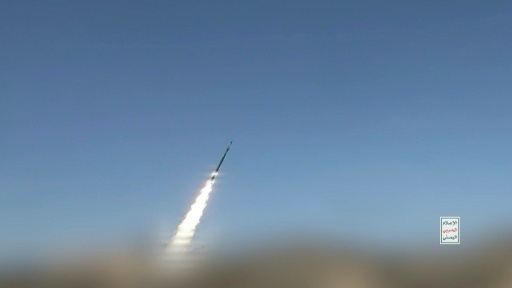
Galerie Vidéo الحوثيون يطلقون صواريخ وطائرات مسيرة في اتجاه المخا في غرب اليمن
نشر الإعلام الحربي اليمني التابع للسلطات الحوثية لقطات مصورة قال إنها لإطلاق صواريخ باليستية وطائرات مسيرة في اتجاه "تجمعات للقوات السعودية ومستودعات أسلحة" في ميناء...
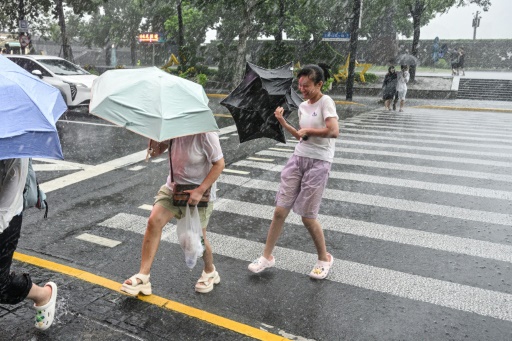
La Une قوة الإعصار "دولفين" تتراجع مع استمرار الاضطرابات في الرحلات الجوية في الصين
جلب الإعصار "دولفين" أمطارا غزيرة إلى شرق الصين الاثنين ما أسفر عن إلغاء مئات الرحلات الجوية على الرغم من تراجع حدة العاصفة واستئناف خدمات النقل...